Address
Down Soppo Buea, S.W.R. Cameroon
Work Hours
Monday to Friday: 8AM - 5PM
Weekend: 10AM - 3PM
Address
Down Soppo Buea, S.W.R. Cameroon
Work Hours
Monday to Friday: 8AM - 5PM
Weekend: 10AM - 3PM

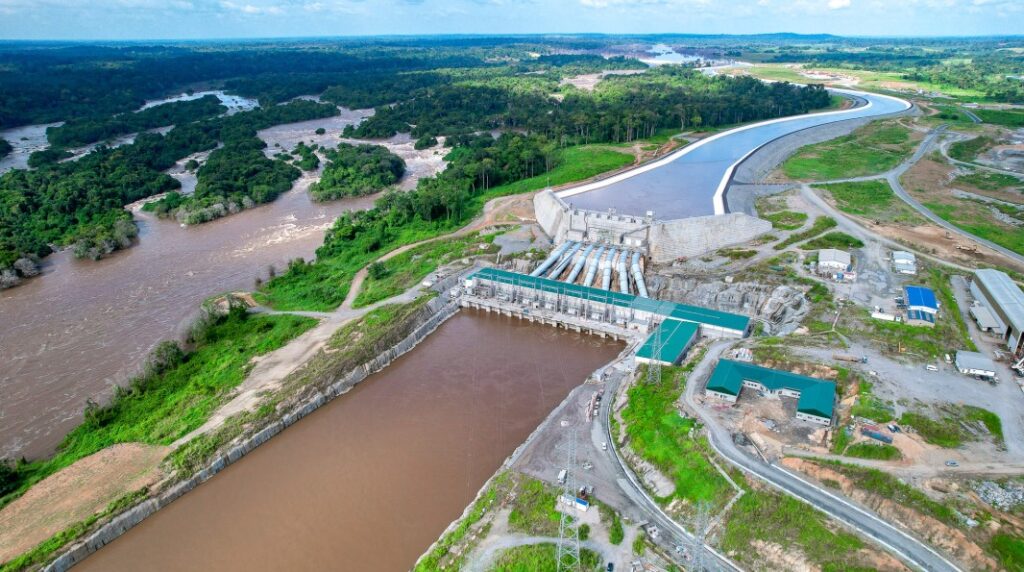
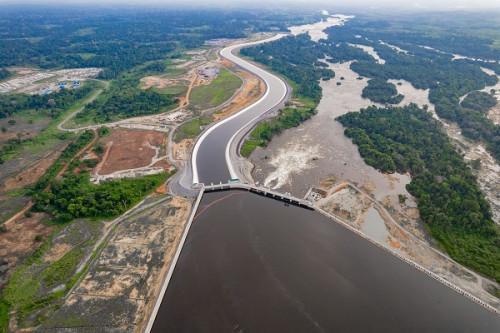
Upon its final commissioning in 2025, Nachtigal will be the most powerful hydroelectric plant in Cameroon and will represent a significant asset for the country’s sustainable development. With a capacity of 420 MW, it will cover nearly 30% of Cameroon’s energy needs with clean, available, and inexpensive electricity.
In addition to contributing to reducing carbon emissions and combating climate change, Nachtigal will economically and socially improve the quality of life for local populations, stimulate economic growth, and actively contribute to the country’s development, while achieving savings on fuel purchases and imports.
Nachtigal carries a strong environmental and social ambition, including:
This ambition fully aligns with the Sustainable Development Goals adopted by the UN.
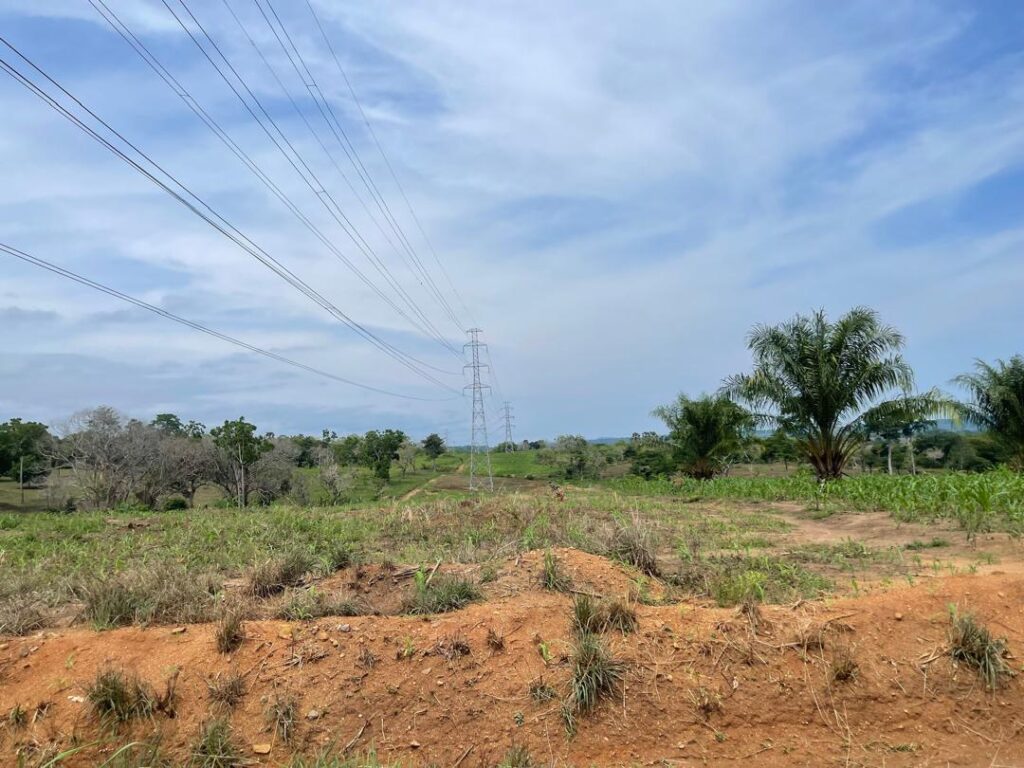
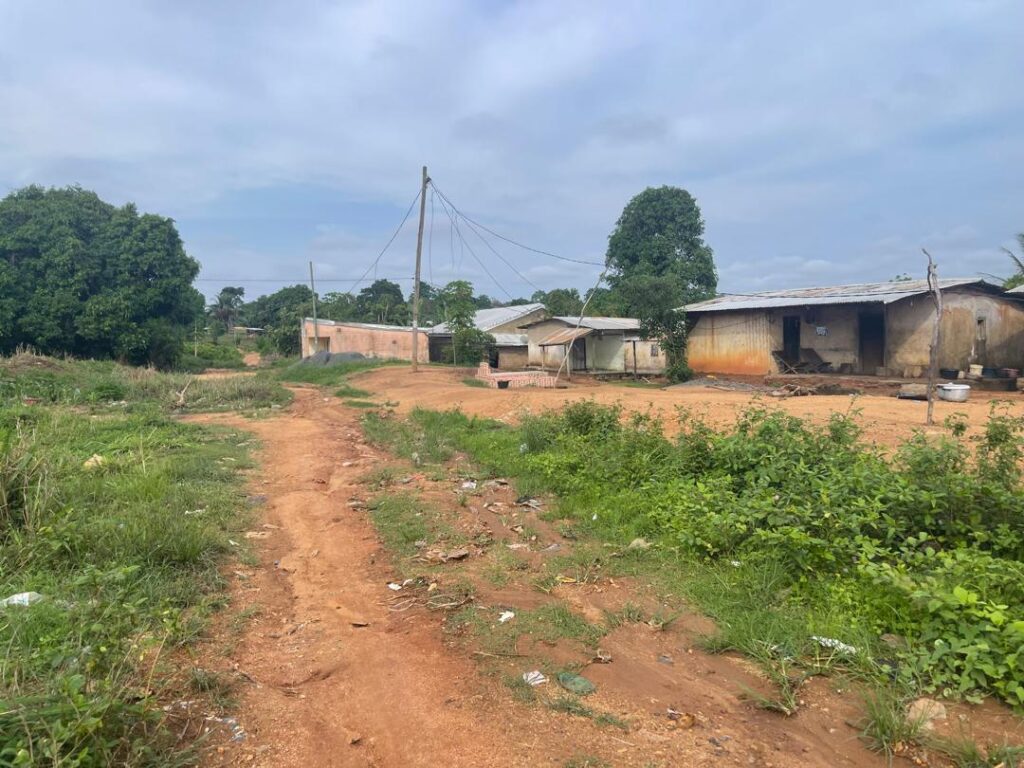
YAOUNDÉ, Cameroon — In the village of Ndji, old electrical cables are draped over rickety wooden poles, hanging so low in places, they touch the ground. These makeshift installations provide electricity in this hamlet of about a thousand inhabitants. But Wilfried Eyebe, a local fisherman, explained that this power supply is unreliable. “The voltage is not stable. We’re facing power cuts all the time.”
This concern persists even though Ndji is located close to the Nachtigal hydroelectric dam on the Sanaga River, 65 kilometers (40 miles) northeast of Yaoundé and the new source of around 30% of Cameroon’s electricity production.
Hydroelectric power plays a vital role in Cameroon’s electricity grid and economy. It is a renewable energy source with a far lower carbon footprint than fossil fuels. Since March 2025, 420 megawatts of power generated by the $1.3 billion dam at Nachtigal has been fed into the Southern Interconnected Grid (RIS in French) which serves seven of Cameroon’s 10 regions with power produced by hydropower plants at Edea (267 MW, commissioned in 1954), Songloulou (384 MW, 1981), and now Nachtigal.
Power cuts are still a frequent occurrence, though, due to incidents affecting the power transmission network. Numerous disruptions have been recorded recently at the new transformation station on the outskirts of Yaoundé, which enables the onward transport of electricity produced by Nachtigal.
The villages near the dam are not spared power cuts — an issue high amongst complaints raised by the local communities, who are disappointed to not be able to benefit from the massive new facility at their doorstep.
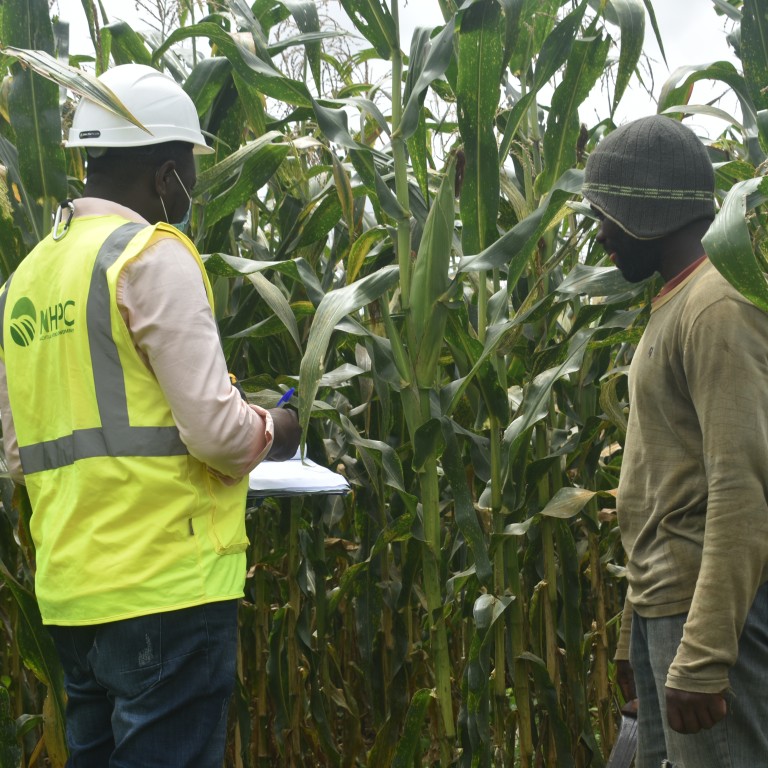
The Nachtigal Hydro Power Company (NHPC) has carried out a number of social projects to directly benefit the affected communities. It has built 40 boreholes to supply villages with drinking water, constructed and fitted classrooms, built a mother-and-child support unit in a medical center in Batchenga, and equipped an emergency room at the Obala District Hospital. It also claims responsibility for providing electricity to local schools, benefiting more than 1,000 children, and last but not least, it has supported farmers with agricultural inputs.
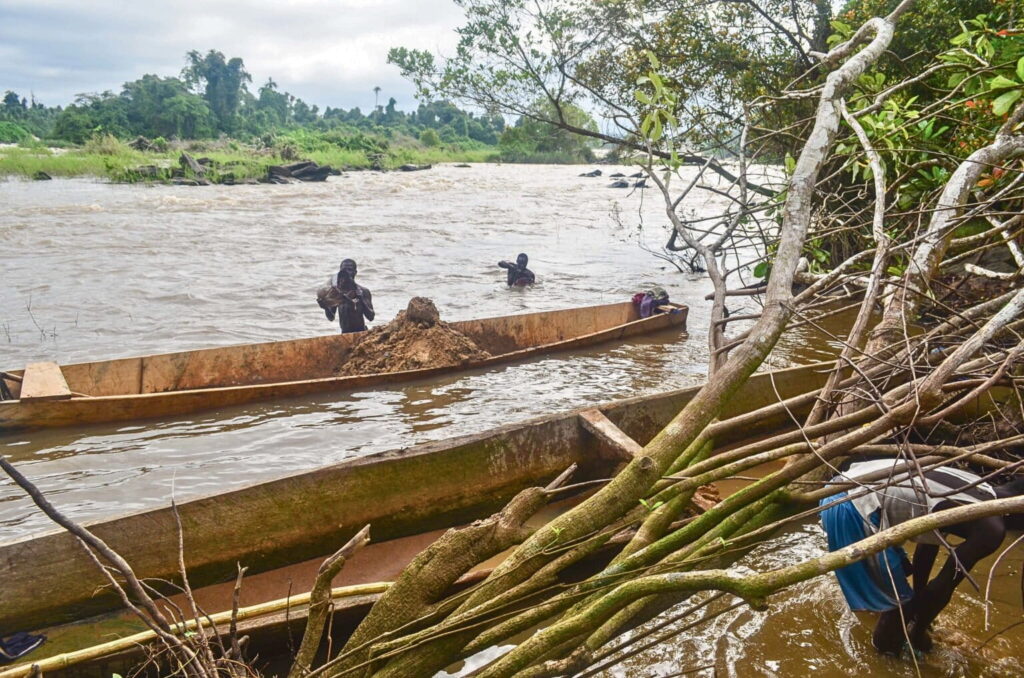
But the construction of the dam has disrupted aquatic ecosystems and access to some stretches of the river, leading to a loss of income for residents. And in Ndji, as in most of the villages near the dam, the main fuel source remains wood from surrounding forests, primarily used for cooking.
In 2022, the communities affected by the project filed a complaint against NHPC with the funders, who requested mediation. At the end of May 2024, NHPC and the communities signed a full and final settlement agreement of their disputes, and agreed to keep the agreement confidential.
But since then, dissatisfaction with the resolution has emerged over several issues.
“They made a lot of promises that haven’t been kept. They talked about restoring our existing livelihoods, promising to restore everything we had before, but today, that’s still not the case,” said Bruno Bikele Ambomo, chief of Olembé village and spokesperson for sand miners at Batchenga, in an interview with Mongabay.
“They paid us six months of compensation, amounting to 6.6 million CFA francs [$11,800], yet they will operate the dam for 35 years. It’s a scam (…)! In Batchenga, we had 22 sand quarries, but not a single representative from these quarries got a subcontracting agreement for the dam’s construction. Our children have degrees but cannot find employment as managers at NHPC. We don’t benefit from the dam at all,” said Ambomo.
Fishers around the dam also fear losing their main source of income for good. Since the start of construction in 2019, each fisher has been paid the equivalent of $44,600 in compensation, but with fish stocks established in the reservoir by the NHPC growing ever scarcer, they plan to demand more.
“We’ve already received two tranches of financial compensation, but the amounts were pitiful,” said Wilfried Eyebe, coordinator of the Fishermen’s Association of Nkol-Ndji and Batchenga (APEN.NBA in French) who has been centrally involved in the conflict-resolution process between communities and the dam operator.
“Once it becomes completely clear that the fishing action plan is hopeless, we will reconvene to demand further compensation,” he told Mongabay.
An independent review carried out in response to complaints made to one of the project’s funders, the European Investment Bank (EIB), found that the Nachtigal project had “minimal impact on the hydrology upstream of the Sanaga River” but Batchenga’s fishers insist that there is now a lack of fish both above the dam and in a designated “green zone” downstream of the dam where fishing is permitted.
IFI Synergy, a platform of Cameroonian civil society organizations, helped and communities file their complaint in 2022 and has supported them as the mediation process unfolded. Danielle Mba, IFI Synergy’s coordinator, said the mediation did not adequately address the fishers’ concerns.
“The situation with the fishermen is a case that was more or less disregarded from the mediation process, to be solved separately. But the communities accepted this. We would’ve hoped that all the issues that were brought up in the complaint would have been addressed during the mediation. When we filed the complaint, the fishing action plan was not yet available, and NHPC took advantage of this to separate the fishers’ and fishmongers’ problems out from the other issues, claiming it was worthy of special attention,” said Mba.
The EIB, one of the financial partners of the project, maintains that its standards in terms of mitigating environmental and social impact were respected in the Nachtigal project. It states that it ensured that its client, NHPC, implemented a resettlement action plan, a fisheries management plan and a livelihood restoration plan — approved by all funders — and also provided a grievance mechanism for anyone who felt their concerns were not properly addressed.
“If a stakeholder has information or is concerned by the fact that EIB standards have not been respected for a specific project, they can report it via the grievance mechanism of the borrower and/or the EIB,” a spokesperson for the bank told Mongabay by email.
Speaking for the World Bank, the other major financial backer of the project, Caitlin Berczik, the bank’s head of external affairs for West and Central Africa, told Mongabay in an email that the lender closely monitors all incidents around projects that it finances, in collaboration with the implementing agencies, in this case, NHPC.
Banner image: Alain, a fisherman from Ndji photographed here in 2022, believes that the lack of fish in a previously productive part of the river is due to the dam’s construction preventing fish from migrating in the river. Image by Yannick Kenné/Mongabay.
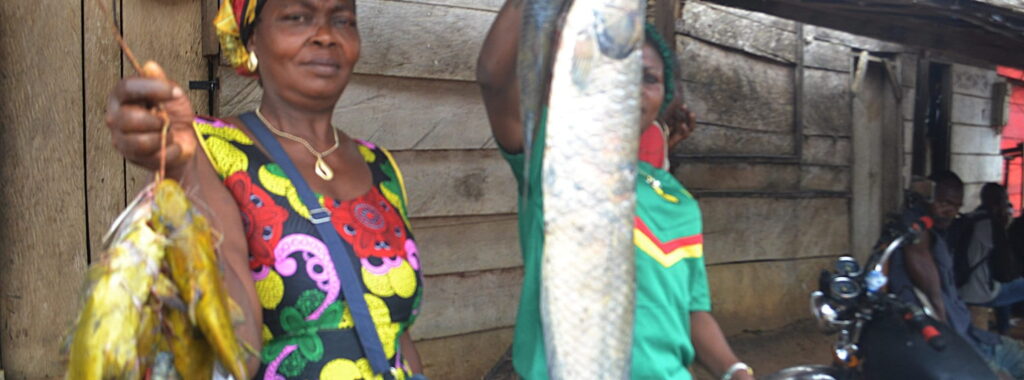
“Largest of its kind” dam in Cameroon faces backlash from unimpressed fishmongers
NDJI, Cameroon – Batchenga, 65 kilometers (40 miles) northeast of Cameroon’s capital Yaoundé, is slowly reopening. After serving as a ramp at the start of a national road linking the center region and Adamaoua in the north, it now owes its reputation to the construction of the Nachtigal hydroelectric power station. The dam is financed … Continue reading